
Hemorrhoids (or piles) can be both annoying and common condition for many patients worldwide. Hemorrhoids occur when the veins around the anus and rectum become swollen, which can lead to pain and discomfort associated with bleeding. If caught early and managed appropriately, it can be effectively managed and complications can be prevented. The gastroenterology department at Bhagawati Hospital is excited to offer a comprehensive diagnosis and medical management of hemorrhoids, which will improve symptoms and provide for long-term quality of life. Our patients deserve the best.
What are hemorrhoids?
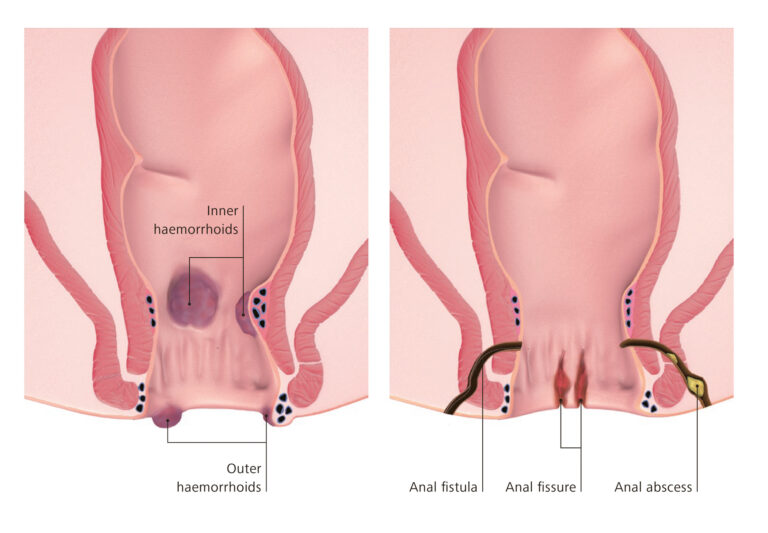
Hemorrhoids are swollen, distended veins that have developed in the lower rectum. The veins are distended due to increased pressure on the veins of the pelvic and rectal regions. Hemorrhoids are not life-threatening, but can be very painful and can disrupt your lifestyle if left untreated.
Hemorrhoids Types
Hemorrhoids are four in number, depending on the severity and position of the hemorrhoids.
1. Hemorrhoids internal
They arise inside the rectum and are never seen. Internal hemorrhoids are painless, but they may bleed during bowel movements.
2. External Hemorrhoids
They are seen as painful. These may cause itching, swelling and pain when sitting down or having stools.
3. Hemorrhoids Thrombosed
This happens when a blood clot develops inside an external hemorrhoid. It results in intense
pain, swelling, and swelling in the anus.
4. Hemorrhoids Prolapsed
In this case, a seen-through internal hemorrhoid protrudes from the opening of the anus. Prolapsed hemorrhoids are painful if they do not retract.
We apply the latest diagnostic instruments in Bhagawati Hospital to determine the kind and severity of hemorrhoids. This enables us to deliver an individualized and effective treatment.
Hemorrhoids: Common symptoms
Hemorrhoids are symptomatic in a wide range of ways and can be divided into their type and severity. The most frequent symptoms are:
- Blood on the toilet paper or in the stool
- Itching or irritation around the anus
- Sense of pain or discomfort, especially when sitting
- Anal lumps or swelling
- Discharge of mucus after defecation
- A feeling of not having emptied the bowels completely
If you experience rectal bleeding that won’t go away or has a lot of pain, you need to see a doctor for the examination.
Causes and Treatment of Hemorrhoids
Although hemorrhoids occur for many reasons, they are primarily due to the increased pressure in the lower rectum. The following is a list of the most typical causes:
- Chronic constipation and diarrhea: The straining with constipation can cause pressure in the rectal veins.
- Sedentary lifestyle processes: Blood pools in the anus because of a lack of activity.
- Pregnancy: The pressure of the pregnant uterus presses against the rectal veins, causing hemorrhoids in numerous women.
- Obesity: The extra weight strains the rectal and pelvic veins.
- Low fiber diet: Failure to consume sufficient dietary fiber leads to hard stool or constipation.
- Lift heavy objects: Lifting heavy weights can lead to greater abdominal pressure when done repetitively.
- Age: The tissue holding up the rectal veins can deteriorate with age. This increases the risk of hemorrhoids.
Discovering the causes of these illnesses will assist you in taking preventive measures to lower their incidence.
Diagnosis Hemorrhoids
The diagnosis at Bhagawati Hospital begins with a medical history and physical examination. Your physician might prescribe:
1. Digital Rectal Examination: A physician introduces an oiled, gloved, and lubricated finger into the rectum to examine for abnormalities.
2. Anal Canal: The physician views the inside of the canal through a small tube containing a light.
3. Proctoscopy and Sigmoidoscopy: These are performed to inspect more closely in the rectum.
Early diagnosis is necessary to exclude other conditions, such as anal fissures or infection.
Treatment for hemorrhoids
The intensity of your ailment will decide the treatment you are given. Our policy at Bhagawati Hospital consists of non-surgical as well as surgical treatments in an effort to give patients effective and soothing relief.
1. Lifestyle and Home Remedies
Doctors suggest:
- A high-fibre diet: Eating fruits, vegetables, and whole grains will aid in making bowel movements smooth.
- Increase daily water intake: Staying hydrated in the system can prevent constipation.
- Sitz baths – sitting in warm water for 10 to 15 minutes a few times a day will help bush swelling, not pain.
- Topical creams: Over-the-counter creams or suppositories can help alleviate itching or pain.
2. Medical Treatments
In case the symptoms do not go away, our experts may suggest
- Rubber Band Ligation: The rubber band is put around the base of the hemorrhoid to cut off the blood flow, which causes it to become smaller.
- Sclerotherapy: A chemical is injected into hemorrhoids to make them shrink.
- Infrared Coagulation: Shrinking of internal haemorrhoids can be done using heat.
3. Surgical Procedures
Surgery can be necessary in severe cases or when the condition recurs. These are popular surgical procedures:
- Hemorrhoidectomy Surgery to excise large or recurring hemorrhoids.
- Stapled Hemorrhoidopexy: A less invasive, new procedure to reposition and interrupt blood flow for prolapsed hemorrhoids.
- The staff at Bhagawati Hospital is committed to delivering the best possible treatment for our patients.
Prevention of Hemorrhoids
Good bowel habits and lifestyle changes are essential for preventing hemorrhoids. Reduce your risk by:
- Eating a daily high-fiber diet
- Drink plenty of water
- Not straining during defecation
- Regular exercise for healthy digestion
- Avoid sitting on the toilet for extended periods of time
- Simple habits can make a big difference in having good rectal health.
Reasons To Select Bhagawati Hospital For Hemorrhoid Treatment?
At Bhagawati Hospital, we are dedicated to delivering the highest level of care for your hemorrhoids. Our specialists, colorectal surgeons, and gastroenterologists utilize the latest diagnostic and treatment methods in an effort to provide you with quick, effective, and less invasive care. We believe in comfort for all patients, a patient-first mindset, a clean facility, and a personalized treatment plan that each patient will need.
Conclusion
Hemorrhoids can be treated if treated early and appropriately. You can get permanent relief through professional medical treatment, proper diagnosis, and lifestyle modification. Visit Bhagawati Hospital if you have symptoms of hemorrhoids. You will have a thorough treatment and professional analysis. Wati Hospital aims to give you the finest quality of treatment for your hemorrhoids. Our gastroenterologists, colorectal surgeons, and specialists employ the newest diagnostic and treatment methods to deliver you swift, efficient, and minimally invasive care. We are committed to a patient’s comfort for each patient, a philosophy of patient first, a clean environment, and an individualized treatment plan that each patient deserves.