
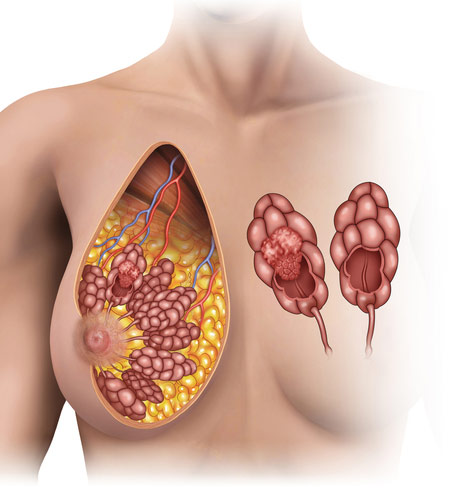
Breast health is part of a woman’s overall health, and any lump, pain, or abnormal change
can be a cause for worry. Although breast cancer awareness has increased enormously, it
needs to be known that not all breast changes are cancerous. Indeed, Benign Breast Disease
(BBD) — the term applied to non-cancerous breast conditions — is rather prevalent among
women across all age groups.
At Bhagawati Hospital, our skilled team of breast care specialists offers comprehensive care to
women with breast-related issues. We emphasize accurate diagnosis, empathetic counseling,
and effective treatment so our patients can have peace of mind and lasting good health.
Understanding Benign Breast Disease
Benign Breast Disease encompasses a variety of noncancerous breast diseases that may
produce lumps, pain, or nipple discharge. Even though these alterations are not dangerous,
they may occasionally resemble symptoms of breast cancer, making it important to evaluate
and diagnose properly.
The etiology of benign breast diseases is varied, although the majority of them are due to
hormonal changes, particularly during puberty, menstruation, pregnancy, or menopause.
Certain conditions are also related to infections, cyst formation, or growth of fibrous tissue.
Benign Breast Diseases That Are Common
1. Fibrocystic Breast Changes
One of the most frequent noncancerous breast disorders, fibrocystic changes result in lumpiness, tenderness, and occasionally thickened breast tissue. They are usually more pronounced right before menstruation because of changes in hormones. The breast feels ropey-like or grainy, which is generally not harmful and often subsides on its own.
2. Breast Cysts
Cysts are fluid-containing pouches that can form within the breast tissue. They can be soft or firm and can range in size. While they can be uncomfortable, especially before menstruation, cysts are benign. In some instances, fluid can be drained to ease pain or to confirm a diagnosis.
3. Fibroadenoma
Prevalent among young women, fibroadenomas are lumps within the breast that are solid, smooth, and movable. They are made of both fibrous and glandular tissues. Although they are benign, a physician can keep an eye on them through regular ultrasound or biopsy to check for any future changes.
4. Intraductal Papilloma
This is a condition where a small growth occurs within a milk duct, usually near the nipple. It may lead to nipple discharge, which may be bloody. Papillomas are benign but may need to be removed through surgery to avoid complications or pain.
5. Fat Necrosis
Fat necrosis results from damage to fatty breast tissue due to trauma, surgery, or radiation therapy. It may result in firm, non-tender nodules that can mimic cancer on imaging, and thus additional tests are required for confirmation.
6. Mastitis and Breast Abscess
Mastitis is inflammation or infection of breast tissue, which is a common complaint in breastfeeding women. Symptoms are redness, swelling, heat, and tenderness. Sometimes, an abscess (puddle of pus) forms and needs drainage and antibiotics.
7. Duct Ectasia
Often occurring in women around menopause age, duct ectasia is when milk ducts become dilated and filled with fluid or debris. It can result in nipple discharge and some discomfort but is not harmful.
Symptoms to Look Out For
Although benign breast diseases are noncancerous, one needs to remain vigilant about any changes. Some of the common symptoms are:
- Lump or thickening within the breast
- Swelling or tenderness
- Nipple discharge (clear, milky, or bloody)
- Changes in the skin (redness, dimpling, or puckering)
- Pain or tenderness in one or both breasts
If you experience any of these symptoms, it is best to seek the advice of a healthcare expert at Bhagawati Hospital to receive an accurate diagnosis and proper treatment.
Diagnosis of Benign Breast Disorders
At Bhagawati Hospital, we employ the latest diagnostic equipment to determine the precise nature of breast alteration. The assessment process can involve:
- Clinical Breast Examination: Complete physical examination to identify lumps or irregularities.
- Mammography: X-ray examination utilized to determine if there are any suspicious lesions within the breast.
- Ultrasound: A painless imaging test that allows us to differentiate solid masses from fluid-filled cysts.
- Fine Needle Aspiration (FNA): Uses a thin needle to draw out cells or fluid for testing.
- Core Needle Biopsy: A tiny sample of tissue is removed from the lump to verify the diagnosis.
With these diagnostic tools, our experts provide accurate evaluation and reassurance for each patient.
Treatment Options for Benign Breast Disease
Treatment for benign breast diseases varies based on the nature and severity of the disease. In the majority of cases, conservative treatment and regular checkups will do. Other conditions, however, need medical treatment or surgery.
1. Observation and Lifestyle Modifications
Several benign breast diseases will clear up by themselves. Eating a healthy diet, using a supportive bra, and limiting caffeine or fatty foods may, at times, alleviate breast discomfort.
2. Medication
For pain or tenderness due to hormonal causes, physicians can order mild analgesics or hormone-controlling medications. For infections, antibiotics are administered to manage inflammation and avoid complications.
3. Aspiration or Drainage
Fluid-filled cysts can be drained with a fine needle to alleviate pain and verify that the lump is benign.
4. Surgical Removal
In situations such as fibroadenoma or intraductal papilloma, surgical removal can be advised if the lump increases in size, is causing discomfort, or demonstrates changes on follow-up.
Our surgeons at Bhagawati Hospital perform minimally invasive procedures to facilitate rapid recovery and little scarring.
Why Choose Bhagawati Hospital for Breast Health?
Bhagawati Hospital is dedicated to offering women individualized and empathetic breast care. Our hospital has state-of-the-art imaging and diagnostic equipment, skilled surgeons, and a multidisciplinary team of doctors who emphasize early detection, optimal treatment, and emotional support.
We are committed to empowering women through education and early intervention so that they can manage their breast health confidently.
Conclusion
Benign Breast Disease is not necessarily cancer, but it needs to be observed closely and promptly evaluated by a medical professional. Knowing your body, being aware of changes, and talking with a trusted healthcare provider are the initial steps toward breast health.
At Bhagawati Hospital, we merge medical knowledge with caring service to make sure that each woman gets the proper diagnosis and treatment for her specific needs. If you are experiencing any symptoms related to your breasts, do not hesitate to book a consultation — because your well-being and peace of mind take precedence.
FAQ’s
-
What is Benign Breast Disease?
Benign Breast Disease refers to a group of noncancerous breast conditions that cause lumps, pain, or nipple discharge. These changes are usually related to hormonal fluctuations and do not pose a risk of breast cancer, though they may require medical evaluation for confirmation.
-
How common is Benign Breast Disease?
Benign breast conditions are very common, especially among women aged 20–50. Most women experience some form of breast change in their lifetime, such as cysts or fibrocystic tissue.
-
Can benign breast diseases turn into cancer?
In most cases, benign breast diseases are at low risk of developing into cancer. However, certain conditions may increase the risk of breast cancer, so regular monitoring and medical follow-up are essential.
-
What are the warning signs I should look for?
You should seek medical attention if you notice:
1. A new lump or thickening in the breast
2. Persistent breast pain
3. Unusual nipple discharge (especially bloody)
4. Skin dimpling or changes in breast shape -
How is Benign Breast Disease diagnosed?
Diagnosis usually involves a clinical breast exam, mammogram, ultrasound, or biopsy. These tests help distinguish between benign and malignant conditions accurately.