
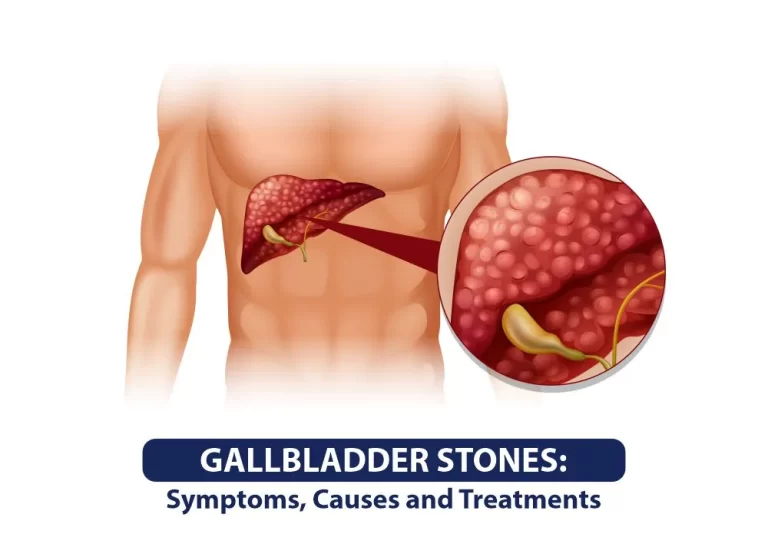
The human digestive system is a network that makes sure that nutrients are broken down and absorbed in the way they need to be. The gallbladder is one of the most important organs in the body. It stores and releases bile, a fluid that helps to digest fat. Deposits in the bile can harden to form gallstones. These can cause pain and other problems. We at Bhagwati like to treat gallbladder stones and provide surgical treatments to assist our patients in the recovery process.
What are Gallbladder Stones?
Gallstones, or cholelithiasis, are hard deposits that form inside the gallbladder. These deposits can be as large or small as small pebbles. Gallstones can also be large. They can be made of calcium, bilirubin, and cholesterol salts. Gallstones form in the bile when the chemicals inside the bile are out of balance.
Gallstones can be asymptomatic for a long time, but can also increase in pain and health concerns when the gallstone blocks the bile ducts.
Common Symptoms of Gallstones
It is helpful to detect gallstone symptoms early in order to treat them in a timely manner. Some people will not detect their gallstones until a complete blockage of the bile duct occurs. Some common signs and symptoms of gallstones.
- Pain in the Upper Abdomen: Pain on the right side of the upper abdomen is one of the most frequent complaints that can be either sharp or dull in nature. Usually, the pain arises or worsens shortly after consuming a meal that was heavier or fatty in nature. Pain can also radiate to the shoulder blade or upper back.
- Gallstones: Gallstones can cause vomiting and nausea, and can also obstruct the bile ducts, which can interfere with the digestive system.
- Indigestion: You may have frequent indigestion or a feeling of fullness that occurs shortly after eating.
- Fever: If the gallbladder is infected or inflamed, referred to as cholecystitis, then there can be abdominal pain with fever and chills.
- Sedentary Lifestyle and Diet: If the common bile ducts get obstructed or a patient suffers from jaundice, which means yellowing of the skin, caused by gallstones, causing bile to back up and/or be refluxed back into the liver, this needs immediate medical intervention.
It is a good idea to follow up with a gastroenterologist for evaluation of symptoms when present.
Causes and Treatment
Gallstones can be caused by several factors, as given below:
- If your body contains cholesterol in your bile, it may cause crystallization into stones.
- Bile Imbalance: The disturbances of the ratio of bile, cholesterol, and Gallstones can be caused by many factors. Gallstones can be caused by:
If you have too much cholesterol in your bile, it may crystallize into stones.
- Bile Imbalance – Disturbances of the ratio of bile, cholesterol and bilirubin can lead to the formation of kidney stones.
- Obesity is associated with gallstones, as the liver produces more cholesterol.
- Rapid Weight Loss: Due to rapid weight loss, the liver releases excess cholesterol in bile. Women who take birth control pills or are pregnant may be more vulnerable to hormonal factors, as they have higher estrogen levels.
- Genetics: Gallstones in your family can increase the risk.
- Sedentary Diet and Lifestyle: Low fibre intake, combined with sedentary living, can lead to gallstones.
Gallstones: Diagnosis and Treatment
The choice of treatment modality is heavily influenced by the accuracy of diagnosis. Bhagwati uses the most advanced imaging and diagnostic techniques to diagnose gallstones. Diagnostic tests include:
- Ultrasound is the most common, non-invasive way to detect gallstones.
- CT scan or MRI: Other complicating factors may include infection or obstruction to the bile ducts.
- Blood tests: These can help detect liver problems, infection or jaundice.
- ERCP is a specialized test to look for stones in the bile ducts and remove them if necessary.
Our experts will advise you on the best treatment options for gallbladder stone depending on your condition.
Treatment Alternatives for Gallstones
Treatment at Bhagwati is tailored to the individual patient, depending on their symptoms and overall health. Primary treatment methods include
1. Management without surgery
Patients who have relatively mild symptoms and small stones may be asked to:
- Medications: Bile acids can dissolve cholesterol crystals over time. However, given that the process would take a long time and may be inefficient, that may not be suitable for everyone.
- Dietary changes: Symptoms may improve as a result of eliminating fried foods, processed foods, and problematic fats.
Managing symptoms with non-surgical interventions is very rarely a permanent solution for a patient with frequent formation of stones in their gallbladder.
2. Surgical Interventions (Cholecystectomy )
When symptoms are frequent, gallbladder intervention is the most appropriate form of treatment, and there are, generally, two forms of gallbladder surgery:
- Laparoscopic Cholecystectomy: This least-invasive form of surgery uses small incisions and has a shorter recovery time with less pain.
- Open Cholecystectomy: This procedure is recommended for complicated medical conditions or when laparoscopic surgery is not an option. An open procedure has a longer recovery time and requires a larger incision.
- Open Cholecystectomy: Recommended for complex conditions or when laparoscopic procedures cannot be performed. This requires a larger incision and a longer recuperation period.
Expert surgeons perform laparoscopic surgery at Bhagwati. All our patients can be assured of receiving safe, effective and efficient treatment supported by modern medical facilities and after-operative care.
Recovery and Management Post Surgery
Removing the gallbladder usually allows for relatively fast recovery, especially if laparoscopic removal was performed. In most cases, patients should feel sufficiently well in about a week to return to their normal activities. After you have surgery, you should avoid large meals, remain hydrated, and maintain a healthy, balanced diet.
The physicians at Bhagwati Hospital will assist you in developing a plan that will be specific to you and will provide you with caring support through all phases of recovery.
Gallstones: Prevention Tips
It may be possible to decrease your risk of gallstones, depending on your lifestyle choices.
- Maintain a healthy weight through a healthy diet and exercise.
- Don’t skip meals or delay meals for too long.
- Eat high fiber foods such as fruit and vegetables.
- Limit high-fat, processed or fried foods.
- Keep hydrated all day long.
A healthy lifestyle not only prevents gallstones but also promotes a person’s digestive health.
Why Choose Bhagwati Hospital?
At Bhagwati hospital, we strive to provide safe, effective and cutting-edge treatment for gallstones with safe and compassionate medical care. Bhagwati hospital has the latest diagnostic capabilities and experienced surgeons. Our hospital also attempts to provide compassionate care to our patients with personalized attention from diagnosis to recovery. The Bhagwati hospital is your destination for complete gallstone care and lasting relief. Consult the experts at Bhagwati hospital today for safe and effective treatment of gallbladder stone.