

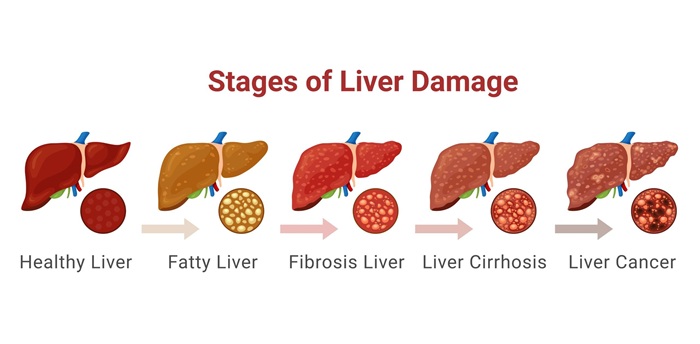
Fatty liver disease results when fatty tissues accumulate in the liver cells. While a small portion of fatty tissues might still be normal, when the liver comprises more than 5-10% fat, complications arise. Fatty liver disease, after diabetes and obesity, has been identified as one of the rapidly spreading lifestyle-related disorders that affect all-age groups. Thanks to the changes in lifestyle, intake, and the continuous levels of stress, fatty liver disease is not just spreading among those who drink alcohol; non-alcohol consumers are also getting affected.
The doctors at Bhagwati Hospital are keen to point out that early treatment can prevent damage to the liver in cases of fatty liver.
What is Fatty Liver Disease?
Fatty liver disease is described as the accumulation of excess fat within liver cells. While it is normal for liver cells to have some amount of fatty content, having high amounts beyond normal thresholds of 5-10% of the liver’s weight can lead to inflammation of the liver and other liver disorders. Fatty liver disease can also lead to fibrosis, cirrhosis, or failure of the liver if not treated.
There are two forms of fatty liver disease:
- Alcoholic Fatty Liver Disease (AFLD): Results from alcohol abuse.
- Non-Alcoholic Fatty Liver Disease (NAFLD): Typically associated with factors like overweight, diabetes, and diet.
Both conditions require medical care to avoid complications.
Typical Causes of Fatty Liver Disease
Knowing the causes of Fatty Liver Disease would help in its prevention and management. The causes include:
- Poor eating habits, including eating too many fried and processed foods.
- Obesity & Excess Body Weight.
- Type 2 diabetes and insulin resistance.
- High Cholesterol and Triglycerides
- Excessive alcohol consumption.
- Lack of physical activity.
- Crash or rapid weight loss.
Certain prescription medications impact liver metabolism.
In the case of the Bhagwati Hospital, doctors explain that in their experience, lifestyle habits, especially in urban settings, are major contributory factors in the prevalence of fatty liver disease.
Causes and Risk Factors of Fatty Liver Disease
Fatty liver diseases can occur without any symptoms, especially in the early stages. However, once it advances, symptoms will appear.
Early symptoms:
- Chronic fatigue and lack of energy.
- Pain, discomfort, or distension in the upper right abdomen.
- Unexplained weight gain or inability to lose weight.
- Bloating and gastrointestinal problems.
Advanced stage symptoms may involve:
- Yellowing of the skin and white of the eye (jaundice).
- Swelling in the legs or abdomen.
- Dark-colored urine.
- Loss of appetite.
- Confusion or problems concentrating.
Early identification of the symptoms can result in treatments that prevent progression of the disease to severe forms.
Methods Used in the Diagnosis of Fatty Liver Disease
Diagnosis requires an examination of a patient’s medical history and physical examination. However, at Bhagwati Hospital, sophisticated equipment is employed to establish that a patient indeed has a condition of a fatty liver:
- Blood work to evaluate liver function and enzymes.
- Ultrasound to examine fat accumulation within the liver.
- Liver fibroscan or liver elastography for liver stiffness.
- CT scans or MRI in selected cases.
- Liver biopsy can also be required, especially if the original diagnosis is a concern, because liver conditions can also exist.
The earlier it is caught, the better it can be treated.
Types of Treatment for Fatty Liver Disease
The encouraging fact is the fact that a fatty liver can actually be reversed, especially in its early stages. This can be achieved by addressing the causes of this particular health issue, as well as getting the liver back in proper working order.
Lifestyle interventions include:
- Incorporation of a balanced diet of fruits, vegetables, and whole grains.
- Cutting back on sugar, processed carbohydrates, and saturated fat consumption.
- Weight management.
- Regular physical activity.
- Reducing or quitting drinking.
- Managing diabetes and cholesterol
In some patients, medical management may also be required due to high levels of sugar or cholesterol in the blood or inflammation of the liver. Medications suitable for each patient can control these levels effectively. Frequent check-ups and consultations are also required for monitoring and avoiding any complications.
Importance of Early Treatment and Prevention
If left untreated, fatty liver disease can cause more serious ailments in the liver, like liver inflammation, liver fibrosis, cirrhosis, or liver failure. Fatty liver disease treatment in its early stages can aid in recovering the liver as well as protect it from other complications like heart disease or metabolic syndrome.
Preventive measures are:
- Eating a healthy diet
- Staying physically active
- Avoiding Excessive Alcohol
- Regular Health Check-Ups
- Coping With Stress, Getting Adequate Sleep
At Bhagwati Hospital, there is emphasis on liver health and educating patients on how to avoid liver damage.
Why choose Bhagwati Hospital for Fatty Liver Treatment?
The Bhagwati Hospital provides comprehensive care services for patients with fatty liver disease. The hospital is equipped with modern diagnostic services and experts in the healthcare industry, ensuring patients recover from the disease after diagnosis. The Bhagwati Hospital is dedicated to providing the best treatment for patients battling fatty liver disease, regardless of the disease’s nature and stage.
FAQ
-
What is the most common cause of fatty liver disease?
The most common cause of fatty liver disease is unhealthy lifestyle habits, including poor diet, lack of exercise, obesity, and metabolic conditions such as diabetes.
-
Are fatty liver symptoms always noticeable?
No, fatty liver symptoms may not appear in the early stages. Many people discover the condition during routine health check-ups or blood tests.
-
Can fatty liver disease be cured completely?
Yes, in most cases, fatty liver disease can be reversed with proper lifestyle changes and timely fatty liver treatment, especially if diagnosed early.
-
Is medication necessary for fatty liver treatment?
Not always. Lifestyle modification is the primary fatty liver treatment. Medications may be prescribed if there are associated conditions like diabetes or high cholesterol.
-
How long does it take to recover from fatty liver disease?
Recovery time varies depending on severity and lifestyle changes. Many patients see improvement within a few months of consistent treatment and healthy habits.