
The appendix is a pouch, smaller than a person’s pinky finger, located off the large intestinal
tract in the lower right quadrant of the abdominal cavity. Originally, the appendix was
thought to be a “vestigial” organ and therefore functionless inside the body, but scientists
recently suggested that the function of the appendix is related to gut bacteria health. If the
appendix is inflamed or infected (appendicitis), it will need to be surgically removed.
What is Appendix Removal (Appendectomy)?
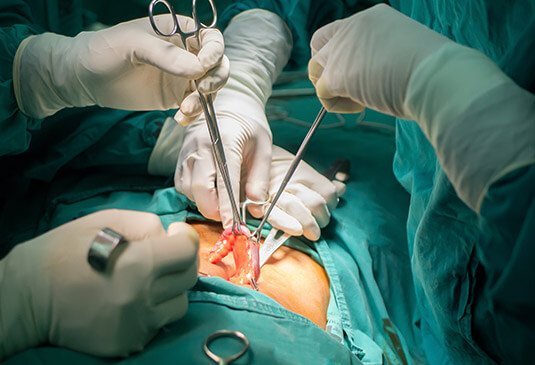
Appendix removal, or appendectomy, is one of the more commonly performed emergency
surgeries worldwide. It is usually performed before infection or rupture occurs, which could
spread infection to other parts of the abdomen. There are two main approaches:
- Open Appendectomy – A larger incision on the lower right side of the abdomen to remove
the appendix.
- Laparoscopic Appendectomy – Several small incisions are made, and a camera is used to remove the appendix. This approach usually results in faster recovery and minimal scarring.
Causes of Appendicitis
Appendicitis occurs when the appendix becomes inflamed, infected, or blocked. Common
causes include:
- Fecolith (hard stool) blocking the appendix outlet
- Infection-induced swelling in lymphoid tissues
- Rare cases: foreign objects, parasites, or tumour
When obstructed, bacteria multiply quickly, causing inflammation, pus, and pressure. If untreated, rupture can lead to peritonitis.
Common Symptoms of Appendicitis
- Abdominal pain – usually starts near the navel and shifts to the lower right side
- Fever and chills (mild at first, worsening over time)
- Nausea and vomiting
- Loss of appetite
- Tenderness when pressing on the lower right abdomen
- Digestive disturbances (constipation, diarrhea, or trouble passing gas)
Diagnosis Before Surgery
Diagnosis combines clinical history, physical exam, and imaging tests. Common tests
include:
- Blood tests to detect infection
- Urinalysis to exclude urinary causes
- Ultrasound or CT scan to confirm appendicitis
Benefits of Appendix Removal
Prevents life-threatening complications like peritonitis
- Eliminates risk of recurrent appendicitis
- Laparoscopy allows quicker recovery (1–2 weeks)
- Safe and effective due to refined techniques
- Improves quality of life by removing risk of sudden attacks
Recovery After Surgery
Recovery depends on the type of surgery and whether rupture occurred. Typical recovery
includes:
- Hospital stay: 1–2 days (laparoscopic), longer if complications arise
- Pain management with medications
- Gradual diet progression starting with light foods
- Avoid heavy lifting or strenuous activity for 6 weeks
- Regular follow-ups to ensure proper healing
Risks and Complications
Although generally safe, appendectomy may carry risks such as:
- Wound infection
- Blood clots or bleeding
- Rare bowel obstruction
- Anesthesia-related complications
Final Thoughts
Appendectomy is a life-saving procedure for patients with acute appendicitis. At the first sign of severe abdominal pain, especially with nausea, fever, or loss of appetite, it is important to seek immediate medical evaluation. The earlier the surgery is performed, the better the outcomes and recovery.