

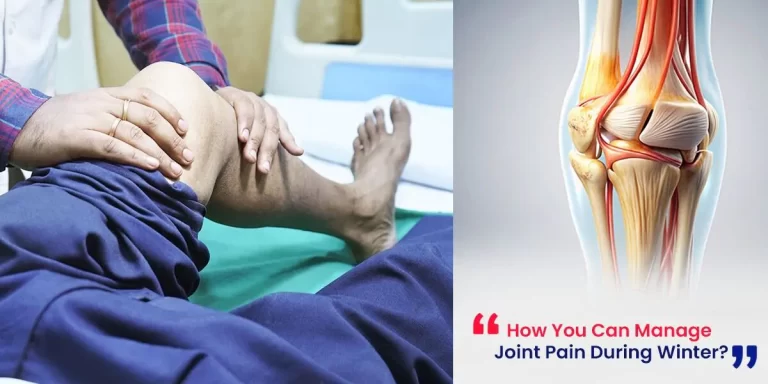
Winter brings comfortable breezes and a warming-up-with-blankets-and-hot-drink feeling. To many, winter means stiffened joints and discomfort. Ever felt that your knees, shoulders, or back hurt more when the cold sets in? If yes, you are not alone. At Bhagwati Hospital, we find an influx of joint-related complaints with the beginning of winter each year, especially among the senior group, arthritis patients, and cases of previous bone injuries.
In this blog, we decode some reasons for winter joint stiffness along with some expert-recommended winter joint pain relief tips, food for strong bones and joints, and home remedies for joint pain in winter.
Why does joint pain increase in winter?
Cold weather can have a lot of effects on the human body, particularly on bones and joints. Among these, some of the most common causes for joint stiffness in winter are:
1. Lowering Temperature
This is because as the temperature goes down, tissues around your joints shrink and don’t allow enough mobility, hence stiffness. Now your joints may feel heavy or even ache.
2. Poor Blood Circulation
The cold naturally constricts blood flow to your arms and legs, hence, allowing your muscles and joints to be somewhat stiff, swollen, and substantially less flexible.
3. Fewer physical activities
Poor people mostly stay inside during the winter season. Poor mobility reduces the tone of the muscles around the joints, which includes the joint-moving muscles that cause sharp pain and make the movement reduced.
4. Changes of Atmospheric Pressure
Where lower air pressure is concerned, pain may be involved, particularly with many arthritis sufferers. Changes in barometric pressure affect the joints, swelling them and leaving them so sensitive.
Tips for Relieving Winter Joint Pain
These extremely simple tips can make all the difference when the chill of winter is keeping your joints screaming. Specialists at Bhagwati Hospital suggest the following:
1. Wrap Up Warm
Wearing layered clothing helps as does heat packs and warm socks or gloves. Heat relaxes the muscles as it smoothes muscle spasms, improves the blood circulation, and reduces stiffness.
2. Exercise
Low-intensity exercises such as walking, yoga, cycling, and stretching help in maintaining the flexibility of joints. Even 20–30 minutes daily will avoid winter-related stiffness.
3. Achieve a Healthy Weight
More weight puts greater pressure on the bearing joints, knees, and hips. Weight control reduces some pain and allows better motility.
4. Warm Water Treatment
A hot water bath or warm compress relieves tightness in the joints and loosens constricted muscles. This may prove to be one of the best winter joint pain tips.
Ways to Improve Bone Health During Cold Weather
Set your bones strong, not just for winters but for the whole year. How to bring improvement in the health of bones effectively during cold weather:
1. Vitamin D intake: adequate
Winter is also associated with reduced sunlight exposure, leading to a deficiency of Vitamin D. Expose yourself to early morning sunlight and supplement as advised by the doctor at Bhagwati Hospital.
2. Increase Calcium Intake
Calcium gives the structural framework for strength to bones. Hence, it is recommended that milk and its products, like yogurt and cheese, ragi, tofu, and green leafy vegetables, be taken.
3. Resistance Training
Resistance training improves bone mineral density levels. Even weight-bearing exercises prevent fractures and osteoporosis.
4. Hydrate
Nutritional Requirements for Healthy Bones and Joints. Diet is an important factor in how to prevent winter-time joint problems. Add the following additions to your meal plan that might help foster strong bones and joints:
1. Dairy Products
The major intake of calcium is from milk, paneer, and curd.
2. Nuts & Seeds
Almonds, chia seeds, and ground flaxseeds are rich in anti-inflammatory healthy fats.
3. Leafy Greens
It is among some of the major greens that provide good amounts of magnesium and Vitamin K, very important to help people maintain strong bones. Be it spinach, kale, or methi, all of these have magnesium and Vitamin K, which are important for maintaining strong bones.
5. Fruits
Anti-inflammation of the bones, restoration; it majorly constitutes oranges, papaya, and berries.
Home Remedies for Winter Joint Pain
Want natural solutions? Here are a few home remedies for winter joint pain that can cure without any side effects.
1. Turmeric and Warm Milk
Turmeric is a spice that contains an anti-inflammatory compound called curcumin. More than likely, a glass of turmeric milk before bed would soothe pain and stiffness.
2. Oil Warm Massage
Massage joints, particularly with warm mustard oil, sesame oil, or coconut oil, to increase the flow of blood.
3. Epsom Salt Soak
Added Epsom salt to warm water helps with the relaxation of muscles, hence reducing swelling.
4. Ginger Tea
Apart from reducing inflammation, ginger improves the flow of blood, hence it brings quick relief from pain in winter.
When to Visit Bhagwati Hospital
Consult specialists if there is unbearable swelling or pain in the joints or discomfort in movements. Advanced orthopedic care, physiotherapy, key diagnostic tests, and a personalized treatment plan-just some of the ways Bhagwati Hospital keeps your bones and joints healthy this winter.
Conclusion
Though winters might increase the problems, on the correct track of life, diet, and home remedies, one can be agile and pain-free. Here are some very useful tips to keep the joints shielded and bones strong this season. If the pain persists, remember Bhagwati Hospital is always there to help you stay healthy, mobile, and comfortable, whether it is hot or cold outside.