

Migraine is more than a regular headache, and anyone who is experiencing this knows very well how exhausting it can be, the intolerable pain, nausea, sensitivity to light and hours of discomfort that can disrupt your day to day life. Over the years, specialists at Bhagwati Hospital have seen an increase in people who are struggling with migraines, and also often without a clear understanding of the cause or how to manage the cause effectively and efficiently.
This blog will provide you with all the explanations about migraines in a simple and practical way so that you can better recognize your symptoms, manage your triggers and also explore treatment options that can truly help you.
What is a headache exactly?
Migraine headaches are a kind of neurological condition that causes severe and extreme headaches, nausea and dizziness. The symptoms of migraine headaches include mood swings, visual disturbances and nausea.
Doctors can easily classify migraines into different types and the most common types of migraine are given below:
- Migraine Without Aura: The classic, intense headache with Nausea.
- Aura Migraine is mainly characterized by visual distortions or sensory changes that can occur before the headache.
Doctors at Bhagwati Hospital mainly customize your treatment and prevention plan fo you that are based on the type of your blood.
What causes migraines?
Migraines are caused by many different factors. There are many factors that can cause migraines.
1. Abnormal Brain Activity
According to researchers, migraines are caused by abnormal brain activity, which affects nerve signals, blood vessels in the brain, and brain chemicals. The chain reaction can cause a throbbing headache and other symptoms.
2. Family History
Families are more likely to suffer from migraines. This suggests a strong connection between migraines and genetics.
3. Chemical Imbalance
The decrease in serotonin can lead to blood vessel dilation and pain.
4. Hormonal Changes
The fluctuation of estrogen levels can cause migraines. Menstruation and pregnancy are all critical periods.
5. Environmental Factors
Attacks can be caused by changes in weather, strong odors, bright lights, and increased travel time.
Experts at Bhagwati Hospital can use this information in determining the best treatment to be given for a specific case.
Common Migraine triggers that you should be aware of
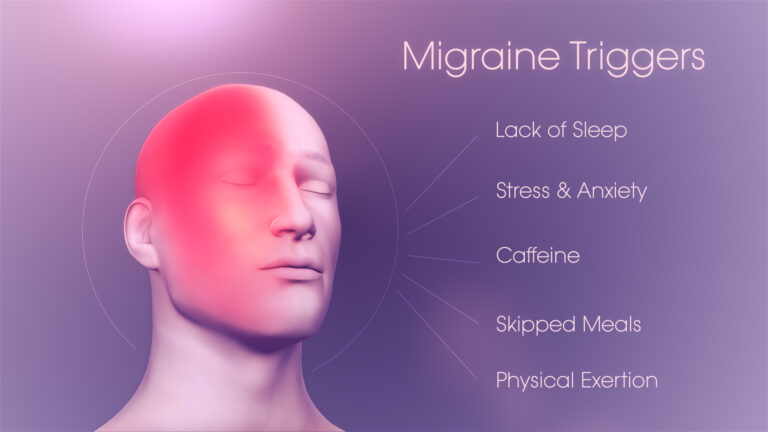
Triggers can be external factors which can cause an attack even if the internal causes are present. By avoiding triggers and identifying them, you can reduce the severity and frequency of migraine attacks.
1. Stress
The most common triggers of migraines are stress, anxiety, and emotional tension. “Letdown migraines”, or “reduced stress headaches”, can also occur after exams, weekends, or other stressful events.
2. Unregular sleep patterns
Oversleeping and staying up late can trigger migraine attacks.
3. Dietary Triggers
Certain foods can trigger migraines. Some foods can trigger migraines.
- Aged Cheese
- Chocolate
- Artificial sweeteners
- Caffeinated drinks
- Red Wine
- Processed meats
- MSG can be found in many foods.
A fast or skipping meals may also trigger attacks.
4. Sensory overload
Loud music, bright lights or strong fragrances can trigger symptoms.
5. Hormonal Changes
Many women report migraines as a result of menstruation or hormonal treatment.
6. Weather Changes
Storms, heat waves, high humidities, or sudden temperature changes can all affect the onset.
7. Medication Overuse
Taking a lot painkillers to avoid headaches may lead to rebound headaches, and even increase the frequency of headaches.
Doctors at Bhagwati Hospital often suggest keeping a “migraine diary” to track patterns. The doctors at Bhagwati hospital also recommend early warning signs.
Effective Treatments For Migraine Are Available Today
An effective treatment plan is essential to effectively treating migraines. Improving the quality of your life, as well as reducing frequency, severity and duration, is important.
- These are the top treatments recommended by Bhagwati Hospital’s specialists.
- Treatment of Acute Pain or Immediate Relief
- These are given to stop symptoms from occurring during an attack.
- NSAIDs, such as pain relievers like ibuprofen, can be used to treat mild-to moderate pain.
- The serotonin receptors are affected by triptans, which can help to stop migraines in their early stages.
- Antinausea medication reduces nausea and vomiting associated with movement.
As soon as you start to notice symptoms, it is important that you begin taking the medication. It will help to ensure maximum effectiveness.
1. Treatments for prevention or long-term
- Preventing headaches is a great way to save the lives of people who have frequent attacks or are severely affected by them.
- Beta-blockers are used to control blood vessel activity, while antidepressants treat stress.
- Anti-seizure medication stabilizes brain activity to prevent seizures.
- Women who suffer migraines when menstruating may benefit from hormone therapy.
- The newer CGRP medicines inhibit proteins involved in a pathway of pain. These medicines are particularly effective for migraine sufferers.
A thorough evaluation of your lifestyle, medical history, and migraine patterns will lead to individualized treatment.
2. Non-Medical Treatments
- Lifestyle changes and natural therapies can relieve migraines.
- Stress management through yoga, breathing and meditation
- Sleeping routines that are consistent
- Nutrition and hydration are important for a healthy, fit body.
- Regular physical exercise
- Limit screen time and avoid bright, loud environments.
Bhagwati Hospital provides a range of treatment options which combine medical care and lifestyle changes.
3. Severe Cases Require Emergency Care
Blindness, confusion and parlysis are all symptoms that need immediate medical attention. If you are experiencing heavy vomiting, it is important to get medical attention. The Bhagwati hospital offers the latest in migraine treatment, including IV fluids, nausea medications, and pain relief that works quickly.
When should you visit your doctor
- Visit Bhagwati Hospital if you:
- Headaches that are persistent and interfere with daily activities.
- Severe nausea with visual disturbances
- Instead, seek medical help. Instead, seek medical help.
Migraines can be painful and disruptive, but they don’t have to control your life. With the righ guidance and awareness of your triggers and a personalised treatment plan you can reduce the impact and can reduce it. Bhagwati Hospital is mainly committed to helping patients understand their condition and also find long-term relief through proper care and modern medical solutions.
FAQ
-
How do I know if my headache is actually a migraine?
Migraines usually come with throbbing pain on one side of the head, along with nausea, sensitivity to light or sound, or visual disturbances. If these symptoms are present or if the pain affects your daily routine, it’s likely a migraine and should be evaluated by a doctor.
-
Can stress alone cause a migraine?
Yes. Stress is one of the most common triggers. Emotional pressure, sudden changes in routine, or prolonged tension can activate a migraine, especially in those who are already prone to them.
-
Are migraines hereditary?
A strong genetic link exists. If your parents or siblings suffer from migraines, your chances of experiencing them are significantly higher.
-
Do dietary changes really help prevent migraines?
Absolutely. Certain foods can trigger attacks, and reducing items like chocolate, aged cheese, processed meats, caffeine, or red wine may help. Keeping a food diary can make it easier to identify personal triggers.
-
Can migraines get worse over time?
If untreated, they can become more frequent or intense. Medication overuse, poor lifestyle habits, or underlying health issues can also worsen them. Early medical guidance helps prevent chronic migraine patterns.